In today’s financial landscape, your credit score is more important than ever before. Whether you’re purchasing your first home, financing a car, starting a business, or even applying for certain jobs, your credit score plays a pivotal role in your ability to access and leverage financial opportunities. While many people know the basics, few fully understand the deep and almost invisible benefits that maintaining a high credit score can offer. This comprehensive guide explores the far-reaching advantages of a high credit score—and how you can position yourself to enjoy all it has to offer.
Understanding the High Credit Score Advantage
Before diving into the benefits, it’s essential to clarify what qualifies as a “high” credit score. Credit scores typically range between 300 and 850.
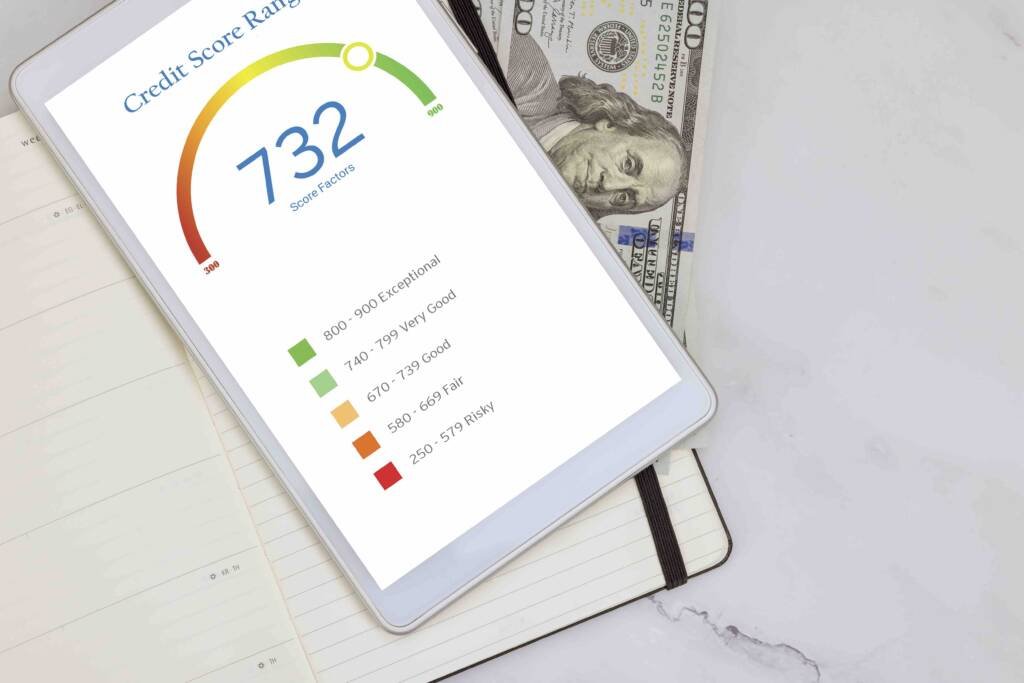
- Excellent (800–850): Exceptional credit management.
- Very Good (740–799): Reliable borrower, above average.
- Good (670–739): Most lenders view you as acceptable risk.
- Fair (580–669): Below average, may affect loan terms significantly.
- Poor (300–579): Considered risky by most lenders.
A “high” credit score is generally considered anything 740 and above. Reaching and maintaining this range opens the door to the best financial opportunities. So, what are those opportunities—and why is maintaining a high credit score so valuable?
1. Lower Interest Rates: Saving Money Every Month
Why It Matters
Interest rates are one of the biggest factors in determining the cost of borrowing money. Lenders use your credit score as a way to judge how risky you are as a borrower. The higher your score, the more confident they are that you’ll repay your debts, and they’re willing to reward that confidence with lower interest rates.
How Much Can You Save?
- Home Loans: Over a 30-year mortgage, even a 1% reduction in interest rate can save you tens of thousands of dollars.
- Auto Loans: Car financing with a high score might result in an interest rate of 3-4%, whereas someone with a lower score could pay upwards of 10% or more.
- Credit Cards: While all credit cards have relatively high interest, those with high credit scores qualify for the lowest rates, meaning if you ever carry a balance, it grows much slower.
The Long-Term Impact
Each monthly payment gets cheaper when interest is lower—freeing up money for savings, investments, or life’s little luxuries. Over time, the savings really add up and can make a significant difference to your overall well-being.
2. Access to Premium Rewards and Credit Products
Why It Matters
Credit card companies and banks reserve their best products—those with the greatest rewards, cash-back programs, or travel perks—for customers they consider low risk. With a high credit score, you unlock hands-down the best cards and accounts.
What You Can Get
- Premium Credit Cards: These cards offer higher reward rates, exclusive access to airport lounges, concierge services, and higher sign-up bonuses.
- Higher Credit Limits: More borrowing power gives you greater flexibility and boosts your credit utilization ratio (further helping your score).
- Special Loan Programs: Some mortgage types and personal loans are only available to borrowers with high credit scores, often at reduced or even 0% rates for introductory periods.
Conclusion
The world of finance is full of hidden perks—but only those who keep their credit strong get the invitation. If you enjoy travel, spend heavily on groceries or gas, or value having access to premium services, a high score is your ticket in.
3. Easier and Faster Loan Approvals
Why It Matters
High credit scores make you stand out as a trustworthy borrower. Lenders love working with people with excellent credit because they’re statistically less likely to default.
Real-World Impact
- Less Paperwork: Often, your credit speaks convincingly for itself, requiring fewer documents or explanations during the approval process.
- Faster Decisions: Approvals can happen in minutes—sometimes instantly online—for those with top scores.
- Fewer Headaches: You’re less likely to need co-signers, extra collateral, or to jump through hoops to prove your financial reliability.
A Smoother Borrowing Experience
When opportunities crop up—like a great deal on a used car, a dream home goes on the market, or you need financing for a business idea—time is often of the essence. A high score means you can act quickly and with confidence.
4. Stronger Negotiating Power
Why It Matters
A high credit score puts you in the driver’s seat. Lenders and creditors want your business—and they’re often willing to offer better terms or compete for you as a customer.
How It Works
- Better Terms: You’re more likely to get lower interest rates, reduced fees, and more favorable payment plans.
- Negotiating Leverage: Whether you’re refinancing a mortgage or asking your credit card issuer for a higher limit or a reduced interest rate, your strong credit score gives you the upper hand.
Actionable Tip
Always ask for better terms—don’t assume the first offer is the only one! If you know your credit is excellent, use that information when negotiating with lenders or service providers.
5. More Housing Opportunities
Why It Matters
Landlords and property managers routinely check credit before approving tenants. A high credit score shows you’re reliable and likely to pay rent on time.
The Benefits
- Easier Approvals: Apartments and rental homes in competitive markets often go to applicants with the best credit.
- Lower Security Deposits: Some landlords reduce or even waive deposit requirements for tenants with strong credit history.
- Better Housing Choices: A great score can widen your selection of available rental properties, especially in hot markets.
For Home Buyers
If you’re seeking to buy, a high credit score is even more important. It qualifies you for the most competitive mortgages and can make offers more attractive to sellers who may be weighing multiple bids.
6. Reduced Insurance Premiums
Why It Matters
Insurers in many states use credit scores as part of their risk assessment models for automobile, homeowner’s, and renter’s insurance.
How You Benefit
Individuals with high credit scores are often rewarded with lower monthly insurance premiums. Insurers see strong credit as a predictor for fewer claims, so they give the best rates to those who appear less risky.
Real-World Example
Drivers with excellent credit may pay up to 30% less for car insurance compared to those with fair or poor credit. Over several policy periods, those savings truly add up.
7. Avoiding Security Deposits on Utilities and Cell Phones
Why It Matters
Utility companies and cellphone carriers frequently check your credit before establishing new service. Poor credit doesn’t just make things harder—it can make them more expensive.
The Perks of High Credit
- Waived Deposits: Most providers will skip the deposit or upfront fee for customers with strong credit.
- Instant Service: With top-notch credit, you’re likely to get utilities turned on or cell phones activated immediately.
Why This Matters
When moving or starting new services, the costs add up quickly. Not having to shell out extra money for deposits keeps your cash where you need it most.
8. Greater Flexibility in Emergencies
Why It Matters
Life happens: job loss, medical emergencies, car breakdowns, or family crises. Having good credit ensures you can access extra funds quickly, affordably, and reliably when life throws you a curveball.
The Real Benefit
- Emergency Loans: You’re far more likely to qualify for personal loans or lines of credit at the time you need them most.
- Lower Stress: The security of knowing you have financial backup can make tough times a little easier to navigate.
- Faster Recovery: Lower costs and easier approvals help you bounce back faster and with less long-term financial damage.
9. Career and Business Opportunities
Why It Matters
Some employers check credit reports—especially for jobs in finance, security, or management—seeing your reliability with credit as a sign of your overall trustworthiness.
The Professional Edge
- Easier Approval for Bonds: Some professions require surety bonds (insurance that covers financial losses). Good credit makes approval much easier and cheaper.
- Better Business Loans: If you’re hoping to start or expand a business, your personal credit score can make or break your chances of getting funding or favorable terms.
Conclusion
Good credit doesn’t just help at home. It can pave the way for career growth, entrepreneurship, and big professional dreams.
10. Psychological and Emotional Well-Being
Why It Matters
Financial stress is one of the most common sources of anxiety in adulthood. Having a high credit score brings a sense of control and security that boosts emotional health.
The Hidden Benefit
- Greater Confidence: Knowing you can access opportunities—and not have to worry about being denied—improves confidence in making decisions.
- Peace of Mind: You won’t have to worry about hidden costs, surprise denials, or last-minute financial emergencies derailing your goals.
Long-Term Impact
The security offered by a high credit score means you can focus on living, not just surviving financially.